Making your workspace work for you
Creating a physical environment that reduces stress, boosts productivity, and sparks a little joy

When you walk into Oakley Family Law in Calgary, it doesn’t feel like a typical law firm. Quirky artwork featuring bespectacled frogs and pigs hangs on vibrant orange walls. Jet, a hundred-pound mix of golden retriever, Bernese mountain dog and poodle, provides a calming presence. And client consultations typically take place while lounging on comfy couches.
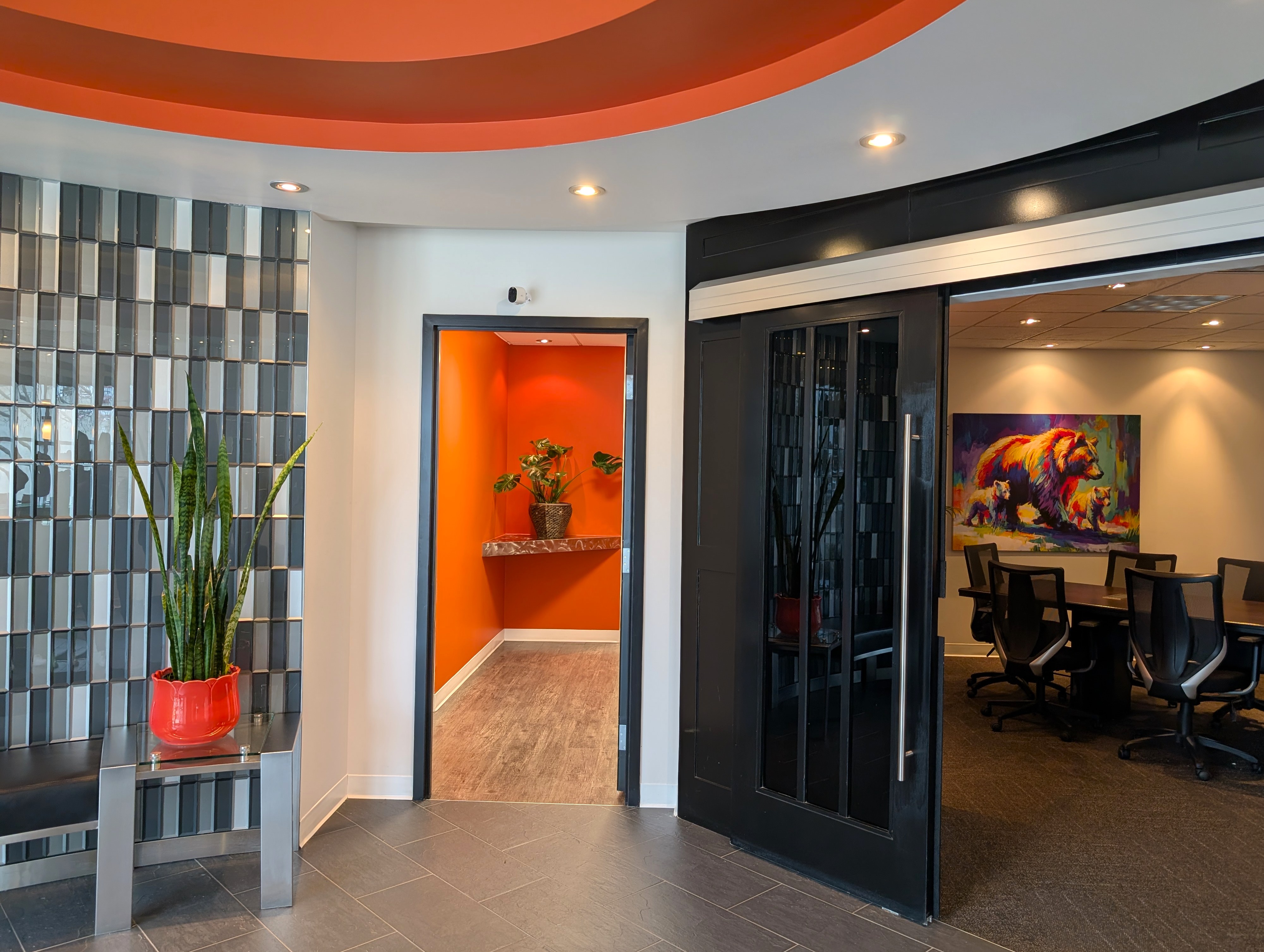
Oakley Family Law Lobby
The dress code is similarly casual — firm-branded hoodies and jeans are common — and tattoos don’t need to be covered up.
“You don’t have to spend all that energy masking yourself to fit in with the environment. It is possible for the environment to fit you,” says founder Melissa Oakley.
She encourages staff to decorate their offices to suit their own tastes. In her own case, that means displaying a Lego unicorn, a framed poem that belonged to her grandpa, and friendship bracelets from a Taylor Swift concert.
It’s all part of her philosophy that comfortable surroundings don’t just put clients at ease; they also empower her 15-person team to perform better.
“You’re dealing with stressful work,” she says.
“Your office environment shouldn’t contribute to that.”
Setting yourself up for success
Paula Price agrees. For the former litigator turned certified coach and founder of Vancouver’s Uplevel Lawyer Coaching, creating a workspace where you can do your best work starts with knowing how your own brain works.
“You want to set yourself up for the greatest success by understanding yourself and what your strengths and weaknesses are, what your preferences are, and how you function optimally,” she says.

Paula Price
That can cover everything from light levels and ergonomics to how comfortable you are with using technology. Price says a good starting point is to determine whether you’re a “filer” or a “piler.”
Filers prefer a clean, uncluttered workspace with minimal physical materials. Instead, they use tools like electronic calendars and apps to track tasks. That’s Oakley: She likes to keep paper out of the way, so her office is a calm place where she can focus.
“I do not thrive in chaos,” she says.
Pilers, on the other hand, rely on visual and physical cues to manage their work. They tend to keep documents visible so they can see what needs to be done next. They may prefer paper files, handwritten notes, wall calendars, and visible clocks to track time and deadlines.
Another big question is whether you feel energized when you’re surrounded by others or prefer to work solo. If that choice isn’t yours to make, find simple ways to adjust your surroundings so they work better for you.
For example, if you find the buzz of a shared office environment distracting, noise-cancelling headphones can be invaluable, Price says. In contrast, if you’re motivated by seeing others being productive, consider “body doubling” apps, which pair you with someone via video or audio to work quietly together, and online communities that offer virtual co-working sessions to improve focus and accountability.
Reducing friction and creating systems
Once you’ve put the fundamentals in place, think about systems to keep clutter under control.
“Clutter and disorganization create a cognitive overload in our brains. This triggers higher cortisol levels and anxiety, and it impacts our ability to focus,” says professional organizer Heather Davies, a former Crown attorney who launched BirchTree Organizing in London, Ont. in 2019.
She suggests identifying and addressing the pain points in your current setup. Where do piles of paper tend to build up? Do you have enough space on your desk, or do you end up spreading your files across the floor? Is there a place to hang your robes when you come back from court?
Like Price, Davies stresses that there’s no one-size-fits-all approach.
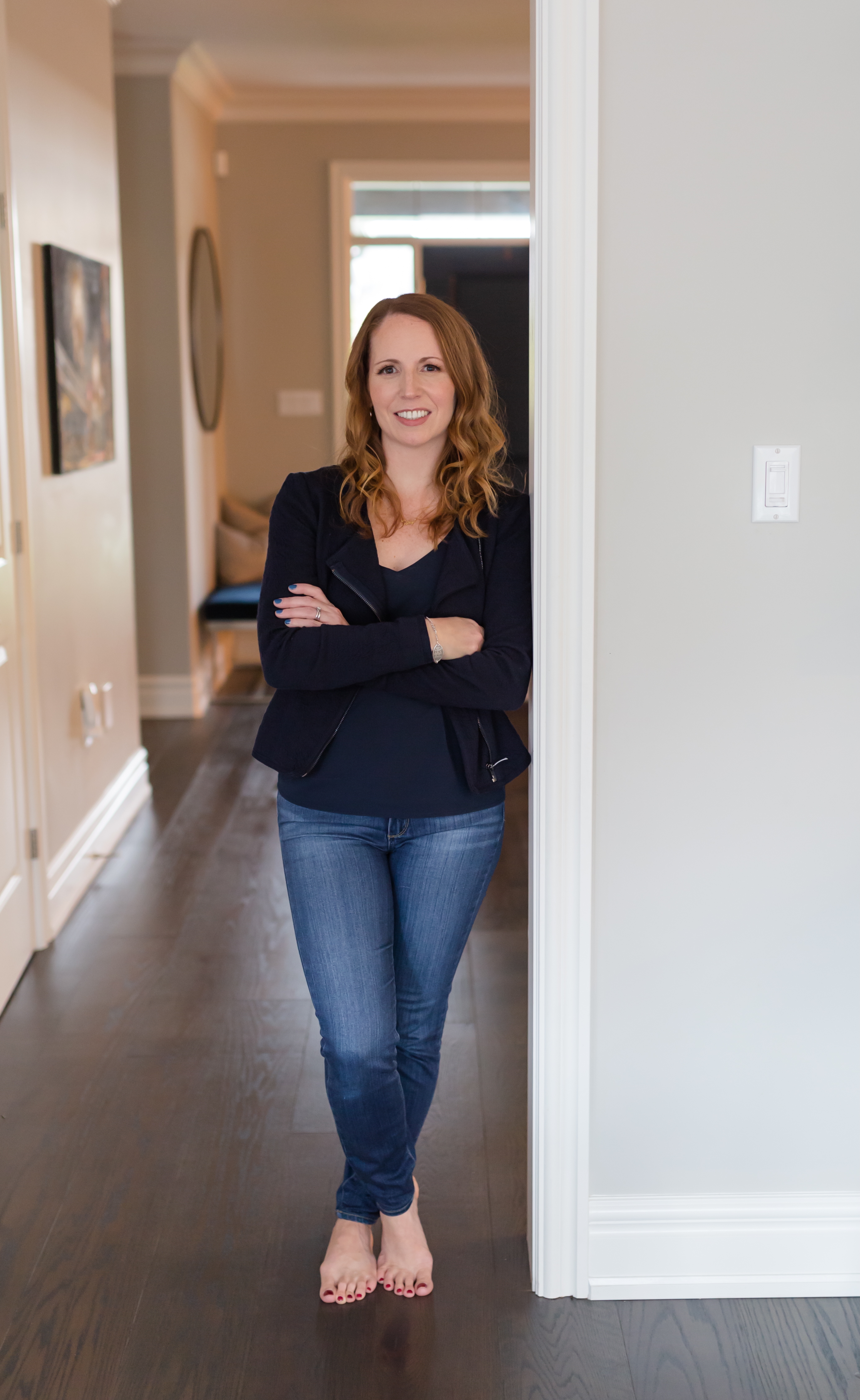
Heather Davies
“Recognize who you are and what your habits are, and try to work with that, not against it,” she advises.
That said, there are some broad principles to keep in mind.
Make sure everything has a place, and keep things you use regularly close to hand. Don’t make your system too complicated: the simpler it is, the easier it will be to maintain. It also needs to work even on the days when your calendar is overloaded or an urgent case lands without warning, so be realistic.
“Organize for who you are and not who you aspire to be,” Davies says.
Finding something that works for you can take a little trial and error, but persevere. Once you’ve found a good system, cultivate the habit of spending a few minutes every day to maintain it.
“Getting organized is not the same thing as staying organized,” Davies says.
“It’s a skill like anything else … and you get better and better at it the more you practise it.”
Finally, keep in mind that your systems will need to evolve over time as your practice grows, your responsibilities shift, and your team changes.
Reaping the rewards of a well-tailored workspace
Not everyone has complete control over their work environment. But the more you understand your own needs, the better you can tailor your workspace to perform at your peak.
“The question will always come back to how are you engineered as a human?” Price says.
As Oakley points out, when you’re distracted by little irritants in your environment, you can’t focus fully on the work at hand.

Melissa Oakley bookshelf
For that reason, optimizing your physical setup can create big rewards.
“Simply put, when you have spaces and systems that are streamlined and organized, you’re more efficient and productive,” Davies says.
“I really do truly believe it’s an investment that reaps benefits in all areas of your practice and outside your work life as well.”
* Whipped your workspace into shape? Stay tuned for part two, where we explore effective time management for busy lawyers.