Members
‘A transformative force in the legal profession’
barbara findlay remembered as a pioneering advocate for the rights of queer and trans people in Canada
BY Moira Donovan 27 Aug. 2026

Log in to listen to this article
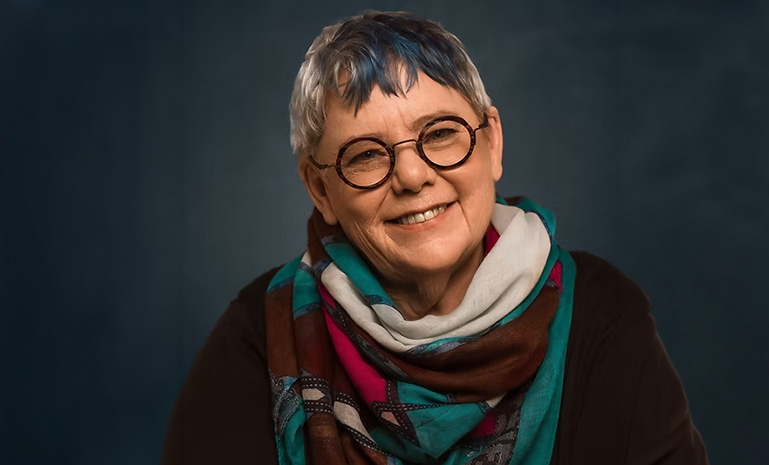
As the legal community mourns the passing of barbara findlay, KC, she’s being remembered for the indelible mark she left on the profession and the fight for queer and trans rights in Canada.
findlay spent her nearly five-decade career advocating for the rights of 2SLGBTQ+ individuals, winning several groundbreaking legal battles in the process, including fighting for a trans woman’s right to serve as a volunteer rape counsellor, and for the right of both lesbian co-parents to be registered on their child’s birth certificate.
In addition to her work as a lawyer, which saw her co-found the CBA’s Sexual Orientation and Gender Identity Community Section (now known as the Sexual and Gender Diversity Alliance Section), findlay was a dedicated community organizer and educator.
But advocates say one of her greatest impacts was the door she opened for a generation of lawyers.
“She was, in many cases over her legal career, the first and sometimes only out queer lawyer people had met or seen. I think that had a huge impact on how non-queer lawyers and the broader community saw us who came after her,” says Lee Nevens, former president of the CBA’s BC Branch, and the first trans lawyer to serve in the role.
“It really made it a lot easier for us because we didn't have to be the [first] ones to say that we're queer. We could see that someone could be out and queer and be respected and have a full career in law.”
In a statement, the BC Branch described findlay as “a pioneering advocate for the rights of queer and trans people and a transformative force in the legal profession.”
‘A willingness to exist outside the box’
findlay had had to fight for her right to exist as a queer lawyer from her earliest days in the profession. As a teenager, she was institutionalized in a psychiatric hospital because she was a lesbian. As a result, she later had to provide a ‘sanity certificate’ before she could be called to the bar.
After spending a decade working as a legal aid lawyer, findlay set up a private practice in Vancouver for the queer and trans communities.
Nevens, who met findlay as a law student and over time came to know her as a mentor and friend, says findlay had a huge impact by virtue of being an openly out lawyer. She was able to provide a unique kind of mentorship because she understood the stresses and risks of being a ‘first,’ especially as a member of a marginalized identity.
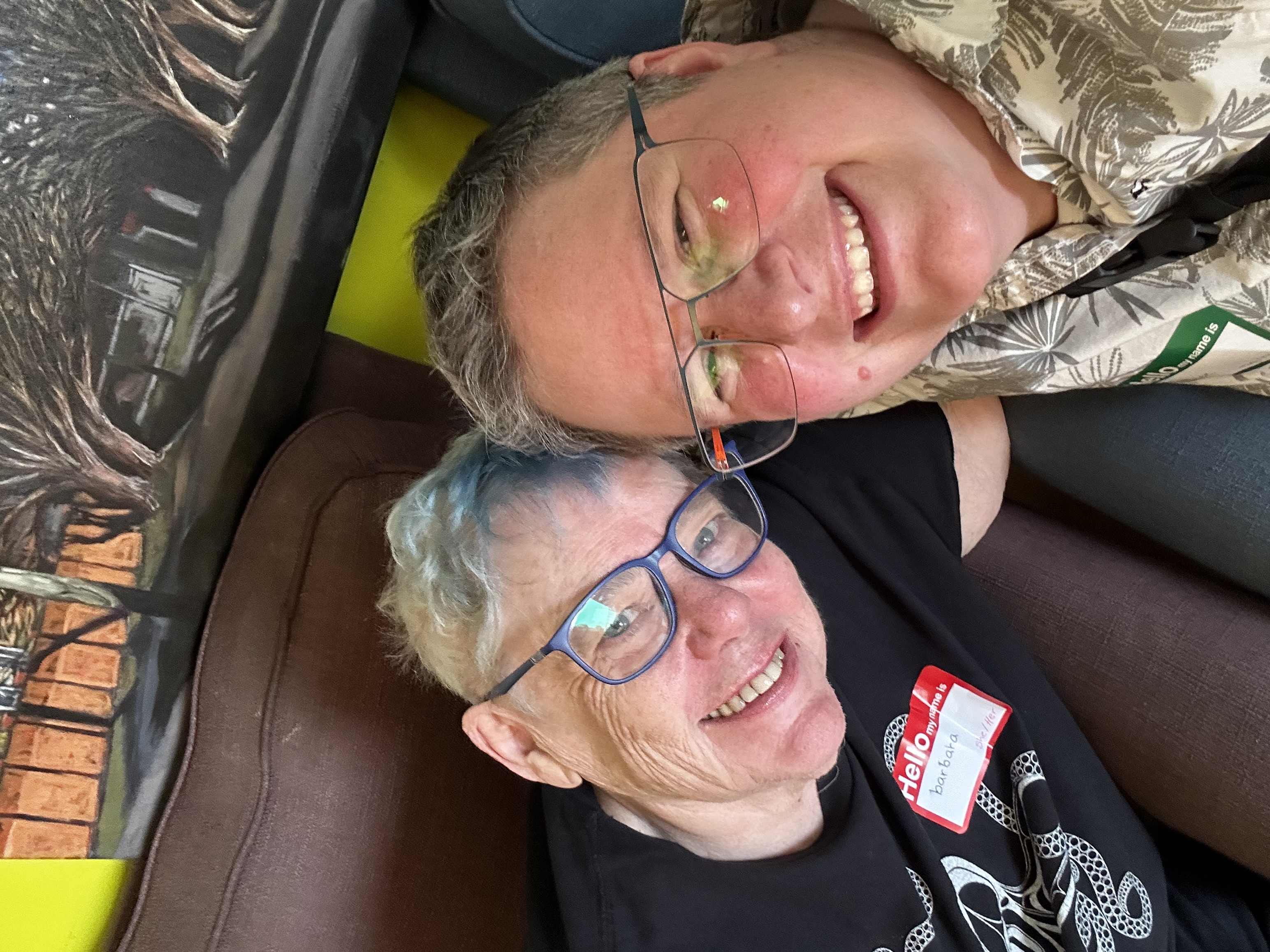
barbara findlay and Lee Nevens
Steeves Bujold, a partner at McCarthy Tetrault who, in 2022, became the first person with a same-sex spouse to serve as CBA president, says findlay should be remembered for her originality and independence — right down to the writing of her name, which was the result of a designer’s choice not to use capital letters on letterhead she’d ordered while in law school. findlay liked the mistake and kept it, though she received pushback for her choice.
Bujold says she exemplified courage throughout her career, in her willingness to exist outside the box while fighting for what she thought was right.
“It is something to advocate to a converted or receptive audience. It is something completely different to advocate when you're alone or when you are in an adverse environment, and this is what she did for most of her career.”
In the current environment where more people are receptive to 2SLGBTQIA+ rights, and there’s the protection of the Charter, it’s easy to lose sight of how things once were. Bujold says findlay’s life and work are a reminder of what it took to get to this point.
“Where we are right now is not a coincidence. It is the end of the long and nasty and painful process for the people that came [before].”
In a statement, CBA President Bianca Kratt, said that findlay’s contributions to the association, the profession, and the well-being of queer and trans people in Canada “are immense and indelible.”
“The multitude of 2SLGBTQIA+ lawyers who follow in barbara’s footsteps are her enduring legacy.”
In 2005, findlay’s work was profiled in the OutTV documentary series, "Outspoken," which followed her fight to bring together “the forces of feminism, anti-oppression and community activism, advocating for the rights and freedoms of queer and transgender Canadians.”
‘We’re in a better place because she was here’
Adrienne Smith, litigation director at the BC Trans Legal Clinic was a law student when they met findlay, who “just decided we were going to be friends” and dedicated herself to supporting Smith’s career.
As a first-generation lawyer, Smith says they found the profession daunting and at times elitist, homophobic, and transphobic. findlay acknowledged that reality and was determined to change it.
“She wanted a different feminist and inclusive way for the profession to operate, but also for lawyers to be in the world.”
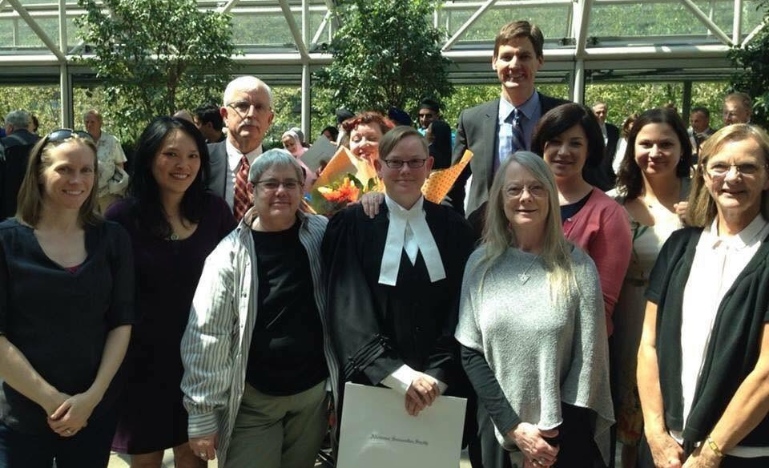
barbara findlay at Adrienne Smith's call to the bar ceremony in 2014
Together, Smith and her longtime friend worked on cases, including pushing to have the British Columbia government stop displaying gender markers on birth certificates, which puts an onerous and expensive burden on trans people.
Ultimately, the government recognized X as a gender marker, which was a compromise, but one that made a significant difference, Smith says.
“I think that's another important lesson she taught me, which is that your losses are wins if they move the world a little bit towards being more comfortable and safer for more people.”
However, just as a loss could be a win, findlay always emphasized that wins aren’t permanent, and that any gains are fragile.
“What comfort there is now is that there's a huge community of people that she connected and she built around not herself, but the work. That persists even though she's allowed to rest now,” Smith says.
“I think we're in a better place to be able to defend human rights and social justice because she was here. But it's daunting to be left in the world without her.”
In her final years, findlay remained busy. After her retirement in 2019, she co-founded Lawyers Against Transphobia and created a training session called the five-alarm fire on the expanded use of the Charter’s notwithstanding clause.
“It was really important to her in her last years to try to get as many different actors within the legal system and society tuned into this issue because… she was very worried about the impact that could have on future generations,” Nevens says.
findlay passed away on August 22 at the age of 77. After years of living with myalgic encephalomyelitis (also known as chronic fatigue syndrome), she chose to die by MAID. Up until the day before her death, she was still sharing resources and advocacy tools with people.
While Nevens suspects no longer being present to continue the fight was challenging for findlay, they had assured her that the legacy of her career and community building means there’s a “veritable army of 2SLGBTQIA+ lawyers and even judges who can continue her work.”
“No matter what happens … that group is still here, still out, still fighting — and will help create the next generation.”