Members
The promise and pitfalls of a niche practice
How three Canadian lawyers have carved out distinctive specialties and their advice for colleagues contemplating a similar leap
BY Julie Stauffer 15 Sep. 2026

Log in to listen to this article
For many lawyers who hang out their shingle, a broad practice makes good sense. The more kinds of cases you’re willing to handle, the bigger your pool of potential clients — and the greater the chances your neighbour, a parent at your kid’s school, or a fellow Rotary Club member could use your services.
But as these three lawyers have found, thinking more narrowly can bring big benefits.
The fertility lawyer
Fertility law is a feel-good field.
“You get to do happy law. You’re helping people have families,” says Michelle Kinney.
“It’s really beautiful to be able to be part of that journey.”
After being called to the bar, Kinney took a government job developing B.C.’s Family Law Act, including a comprehensive scheme that lays out who is considered a parent in cases involving assisted reproduction. She later spent a few years at a small family law firm, followed by a stint in Nunavut in 2020. When she returned to British Columbia, she decided to focus on the areas she loved most.
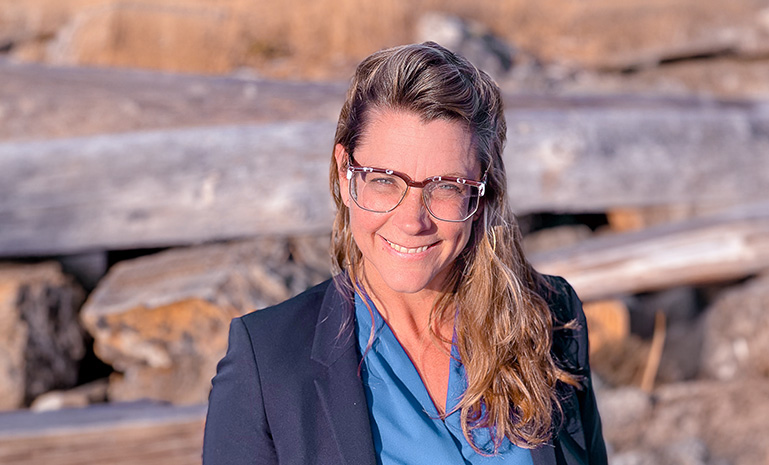 Michelle Kinney
Knowing it would take time to grow her practice, Kinney kept costs low by creating a lean, virtual operation. To drum up business, she launched a website, doubled down on SEO and gave lots of talks. Co-teaching family law at the University of Victoria and starting a subsection on fertility law within the CBA’s B.C. branch helped her re-establish connections in the province.
Slowly but surely, people started knocking on Kinney’s digital door: straight couples facing infertility issues, queer couples, single people who wanted to become solo parents, polyfamilies, and more.
Today, her Victoria-based practice has all the work she wants, in a field with rapidly evolving case law and complex scenarios that keep her intellectually engaged. Kinney says supporting her clients is emotionally rewarding. When she’s not serving them directly, she’s advocating for legal reform on issues like reimbursement for surrogates.
“I love pushing for change.”
The cycling lawyer
For Toronto’s David Shellnutt, a near-death experience convinced him to launch The Biking Lawyer LLP in 2020.
“I came so close to losing everything,” says the personal injury and human rights lawyer, who was left in a coma following a New Year’s Eve assault.
“It was time to take life by the horns.”
His firm focuses on three areas he’s passionate about: cycling, police excessive force, and sexual violence.
Starting out, Shellnutt didn’t have the budget that many personal injury firms pour into advertising. Instead, he created a strong social media presence, showed up at cycling events, gave workshops on cycling rights, and stood “handlebar to handlebar” with the community on advocacy issues.
He says that kind of commitment is key to carving out a niche practice.
“If you’re going to earn money representing people who’ve experienced anti-Blackness or survivors of sexual violence or people who’ve been in bike crashes, it can’t be one way. You've got to show up for people.”
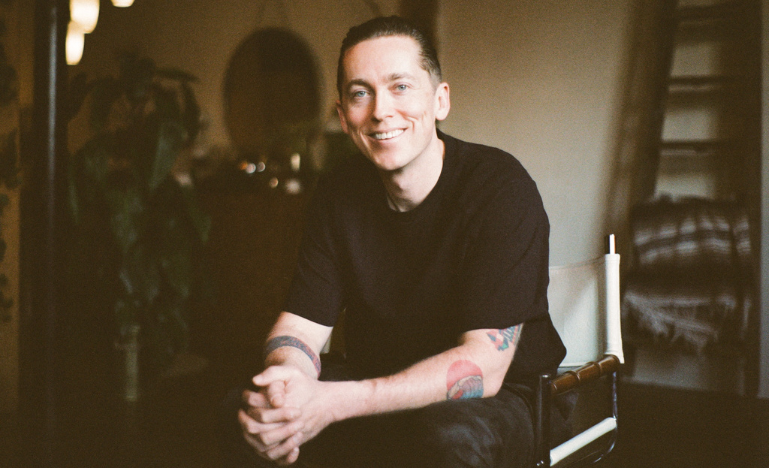 David Shellnutt
Today, Shellnutt’s growing practice boasts four lawyers, an articling student and about a dozen staff at offices in Toronto and Hamilton.
“I feel super privileged to be able to do what I love and serve my communities,” he says.
The psychedelics and green economy lawyer
Marc Goldgrub began his career practicing media law in New York City. But after two years, he decided the world probably didn’t need another music attorney. And he wanted to address more substantive problems.
He returned to Toronto and launched Green Economy Law in 2020 to serve businesses creating sustainable products and services. With no book of clients, he knew he’d have to hustle. Two weeks later, COVID-19 hit, adding to his challenges.
In the midst of the lockdowns, another opportunity occurred to him: psychedelics law. Cannabis had recently been legalized, and there was movement around legalizing psychedelics. In March 2020, the first psychedelic stock, MindMed (now Definium Therapeutics), went public on the TSX.
So Goldgrub set up psychedeliclaw.ca, which he says is “the closest thing that exists to a textbook on Canadian psychedelic law.” He began advising legally operating companies, nonprofits focused on education or harm reduction, and therapists whose clients use psychedelics.
Today, the firm has three practicing lawyers, an articling student, and a law clerk. Goldgrub has a presence in Toronto and New York City and a vision to expand to Tel Aviv. The firm’s big advantage is a deep knowledge of industry trends and challenges, as well as shared values with the communities it serves.
“Reputation is everything in these sectors,” Goldgrub says.
“We’re always thinking about not just the hard law, but also what does this look like to the outside world? What does this look like to the community?”
Navigating the challenges
When you narrow your practice’s area of focus, your clientele also shrinks. While that can also mean there’s less competition, reaching your target audience still requires strategic, deliberate effort.
For Kinney, Shellnutt, and Goldgrub, targeting a larger geographic area — whether through online offerings or additional offices — brought in more clients to sustain their specialized practices.
Focusing on a single niche does create greater vulnerability to market shifts, as Goldgrub found when Canada’s federal government changed in 2025, along with its priorities, which slowed the green economy. His psychedelics work buffered him from that downturn, while taking on housing cases during the firm’s early days brought in crucial income.
Similarly, Kinney keeps up some of the contract work she took on in Nunavut. She also designs cohabitation agreements and occasionally mediates low-conflict separations. Although Shellnutt keeps his branding highly focused on cycling, he handles other types of personal injury cases as well.
For all three, the payoff has been the opportunity to fill their days with work they love.
“If it can get you up in the morning and help you go to sleep happy at night, that’s what you should be doing,” Shellnutt says.